

.jpg)
Heading 1
Heading 2
Heading 3
Heading 4
Heading 5
Heading 6
Lorem ipsum dolor sit amet, consectetur adipiscing elit, sed do eiusmod tempor incididunt ut labore et dolore magna aliqua. Ut enim ad minim veniam, quis nostrud exercitation ullamco laboris nisi ut aliquip ex ea commodo consequat. Duis aute irure dolor in reprehenderit in voluptate velit esse cillum dolore eu fugiat nulla pariatur.
Block Lorem ipsum dolor sit amet, consectetur adipiscing elit, sed do eiusmod tempor incididunt ut labore et dolore magna aliqua. Ut enim ad minim veniam, quis nostrud exercitation ullamco laboris nisi ut aliquip ex ea commodo consequat. Duis aute irure dolor in reprehenderit in voluptate velit esse cillum dolore eu fugiat nulla pariatur.
Ordered list
- Item 1
- Item 2
- Item 3
Unordered list
- Item A
- Item B
- Item C
Bold text
Emphasis
Superscript
Subscript

paragrph
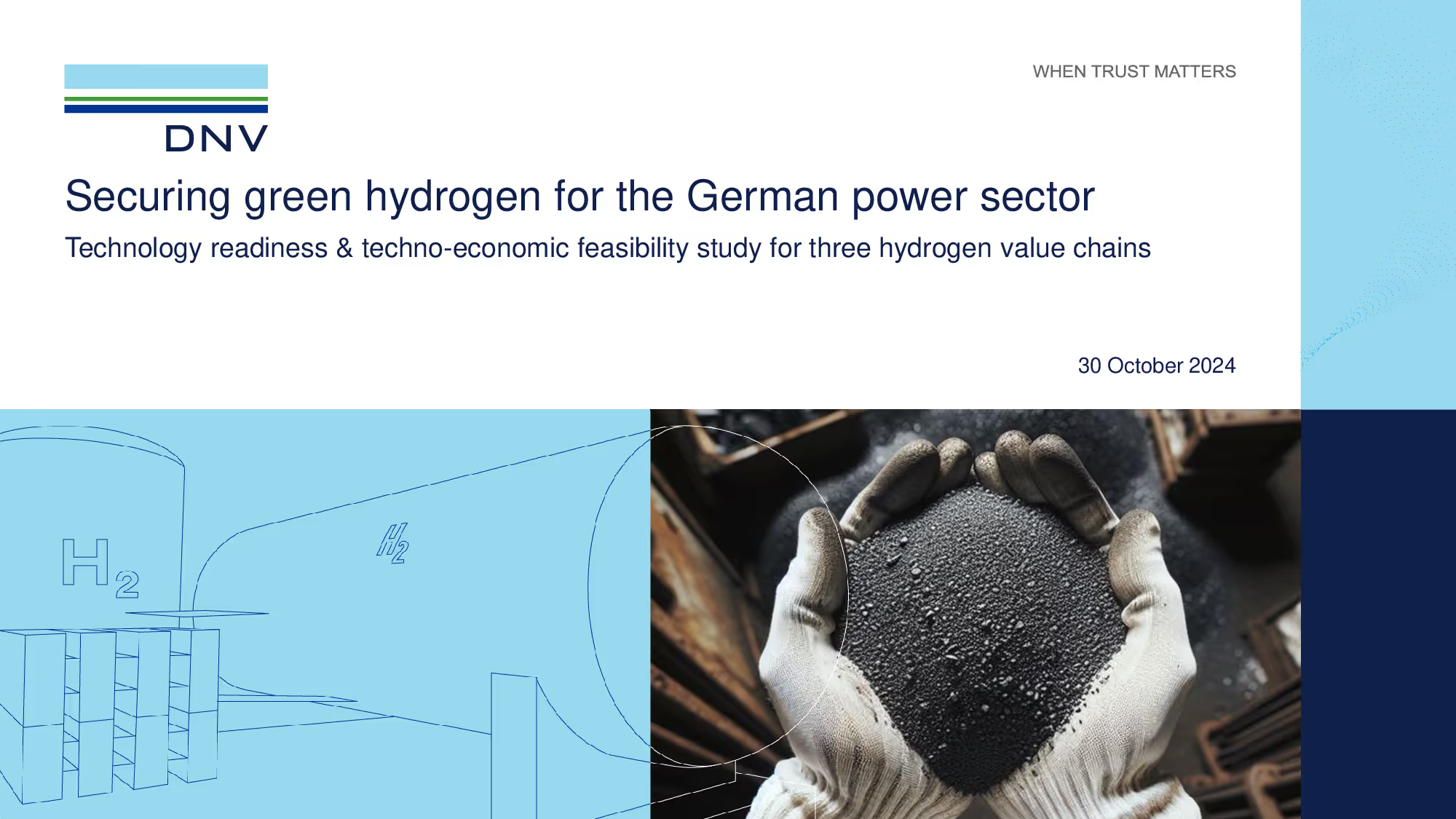
A climate-neutral electricity system that relies primarily on low-cost but weather-dependent energy sources such as wind and solar power requires flexible backup capacities for a few hours a year. These backup capacities can generate electricity with storable, CO2-free energy sources. The planned Power Plant Safety Act provides for the use of hydrogen gas power plants for this purpose. On behalf of the Climate Neutrality Foundation, DNV has examined three hydrogen value chains in terms of costs and technological maturity in the study “Securing Green Hydrogen for the German Power Sector”: electrolysis in Germany, import of green ammonia, and import of green iron. The study shows that back-up power plants that produce electricity using hydrogen based on imported green iron can be a cost-effective supplement to power plants that work with green hydrogen from a German or European pipeline network. The generation of electricity from hydrogen produced by cracking green ammonia would be much more expensive than the first two options. The key components of the three options for providing backup capacities, namely production, transport and storage, have different degrees of technological maturity. Only real-world operation will show which technologies will prevail and to what extent.
Heading 1
Heading 2
Heading 3
Heading 4
Heading 5
Heading 6
Lorem ipsum dolor sit amet, consectetur adipiscing elit, sed do eiusmod tempor incididunt ut labore et dolore magna aliqua. Ut enim ad minim veniam, quis nostrud exercitation ullamco laboris nisi ut aliquip ex ea commodo consequat. Duis aute irure dolor in reprehenderit in voluptate velit esse cillum dolore eu fugiat nulla pariatur.
Block quote
Ordered list
- Item 1
- Item 2
- Item 3
Unordered list
- Item A
- Item B
- Item C
Bold text
Emphasis
Superscript
Subscript
paragrph